
Debunking common myths about gambling What you need to know
Debunking common myths about gambling What you need to know
Understanding the House Edge
One of the most persistent myths about gambling is that players can consistently beat the house. The concept of the house edge is often misunderstood. The house edge is the mathematical advantage that casino operators have over players, ensuring profitability over time. While individual players may experience short-term wins, statistically, the odds are designed to favor the house in the long run. This doesn’t mean players can’t win; it simply means they should be prepared for potential losses.
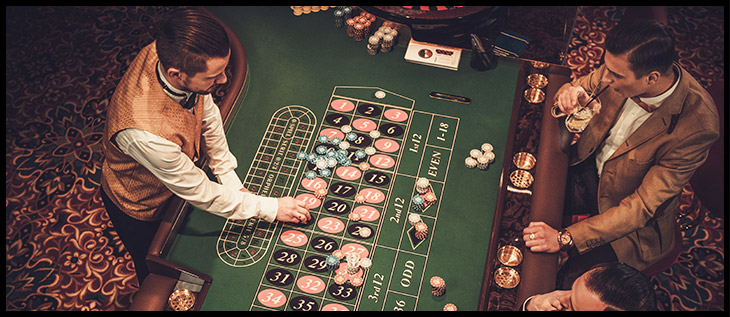
Many believe that skill-based games like poker can tilt the odds in their favor. While it is true that skilled players can outperform beginners, the house still retains a built-in advantage in every game, including poker. Moreover, the dynamics of luck play a crucial role, meaning even the best strategies can lead to losses. Understanding that the house edge exists can help players manage their expectations and play responsibly.
Additionally, players often misinterpret streaks or “hot” tables, believing that past outcomes influence future results. This is known as the gambler’s fallacy, where individuals think that a winning streak will continue or a losing streak must end soon. However, each event in a game of chance is independent, reinforcing the idea that understanding the house edge is crucial for responsible gambling.
Gambling is Not a Guaranteed Income
Another widespread myth is that gambling can be a reliable source of income. While some individuals may make a living from gambling, they are often highly skilled and disciplined players who treat it as a business rather than a casual pastime. Most people who gamble for entertainment do so at a loss, which underscores the importance of viewing gambling as a form of entertainment rather than a revenue stream.
Moreover, the notion that winning can lead to consistent income can lead to dangerous behaviors, such as chasing losses. This often results in players increasing their bets in an attempt to recover money, leading to even greater losses. It’s vital to set limits and understand that gambling should be approached with a mindset focused on enjoyment rather than profit.
Statistics show that the majority of gamblers do not come out ahead financially. The reality is that the odds are structured in a way that makes consistent winning highly unlikely. Recognizing that gambling carries risks and that it’s primarily a source of entertainment can help players make more informed decisions and encourage responsible gambling practices.
Myths Surrounding Skill-Based Games
There’s a common belief that skill-based games, such as poker and blackjack, can guarantee wins through strategy alone. While skill certainly plays a role in these games, they are still fundamentally reliant on chance. For example, even the most skilled poker players can encounter bad luck or unfavorable hands. The outcomes of many card games are influenced by factors beyond a player’s control, including the cards dealt and the decisions of opponents.
Additionally, the myth that one can master these games quickly leads to a false sense of confidence. Learning the intricacies of poker or blackjack requires time, practice, and a deep understanding of both game mechanics and psychological aspects. Many aspiring players may overestimate their abilities, which can lead to significant financial losses, especially when they underestimate the competition.
Even with mastery, the variable nature of these games means that losses are always a possibility. It’s crucial for players to acknowledge the limits of skill and to remain aware that every session includes elements of luck, no matter how skilled the player may be. Accepting this fact is essential for maintaining a healthy relationship with gambling.
The Impact of Gambling Myths on Behavior
Myths about gambling often influence how individuals approach the activity and can lead to problematic behaviors. For instance, the belief that one can predict outcomes based on past results can result in reckless betting decisions. This often leads to a cycle of chasing losses, where gamblers try to win back what they’ve lost, resulting in even bigger losses and financial strain.
Another harmful myth is that certain rituals or superstitions can affect the outcome of games. Many gamblers believe in lucky charms or specific routines that they think will enhance their chances of winning. While these behaviors can create a sense of control, they can also distract from the reality of random outcomes and the inherent risks associated with gambling.
Education and awareness are key to dispelling these myths. Many organizations focus on promoting responsible gambling and providing resources to help individuals understand the true nature of gambling. By addressing these misconceptions, players can engage with gambling more responsibly, minimizing the risk of developing unhealthy habits or addiction.

Exploring Casino123.com
Casino123.com is an online platform that offers an extensive gaming experience for both novice and experienced players. Designed to provide a safe and engaging environment, it hosts a variety of games, including slots, table games, and live dealer options. The website emphasizes the importance of responsible gaming and aims to create an enjoyable atmosphere for all users.
Even during technical challenges, Casino123.com remains committed to enhancing user experience by offering informative resources and support. Players can access valuable information about game mechanics, strategies, and responsible gambling practices. This dedication to providing a comprehensive gaming experience sets Casino123.com apart in the online gambling landscape.
By fostering an understanding of the realities of gambling and promoting responsible practices, Casino123.com seeks to empower players. The platform not only provides entertainment but also encourages informed decision-making, which is essential for a positive gambling experience.